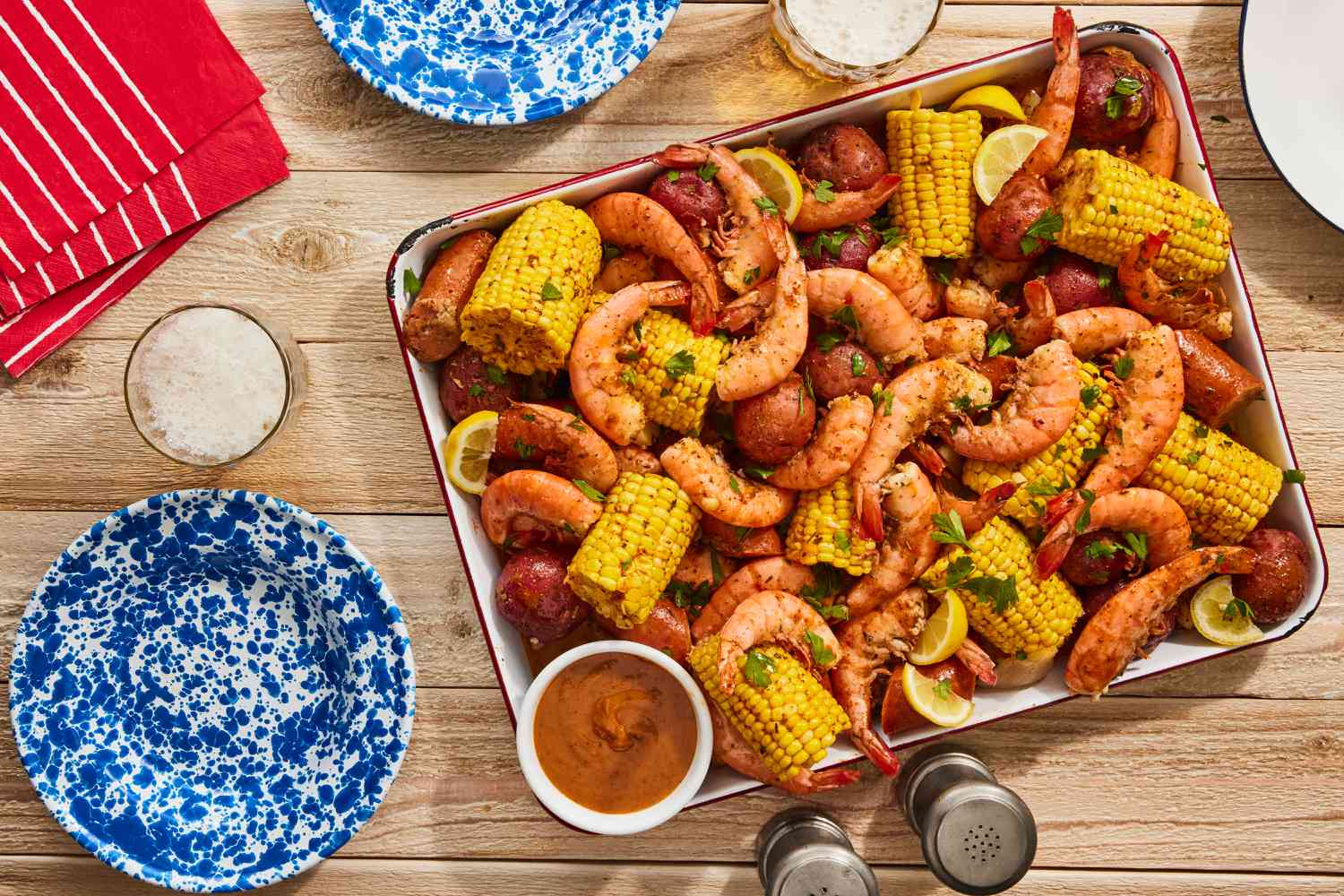
Imagine a feast spread across your table: succulent crab legs, plump shrimp, tender lobster, and an array of flavorful additions, all drenched in a rich, aromatic Cajun garlic butter sauce. This isn't just a meal; it's an experience, a joyous gathering that leaves everyone licking their fingers and craving more. The secret to achieving this culinary dream, especially when tackling a restaurant-quality seafood boil recipe at home, lies in mastering a few crucial techniques that ensure every bite is bursting with flavor, without a hint of rubbery seafood.
Far too many home cooks shy away from making a seafood boil, fearing overcooked, tough seafood. But with the right approach to ingredients, timing, and that irresistible sauce, you can confidently create a show-stopping dish that will have your guests asking for your secrets. Let's dive into the art of crafting the perfect seafood boil.
The Foundation of Flavor: Crafting Your Boil Broth
The soul of any great seafood boil lies in its broth. This isn't just water; it's a carefully concocted liquid base that infuses every ingredient with incredible depth and aroma. Think of it as the canvas for your masterpiece.
- The Liquid Base: Beer & Water: While plain water will suffice, incorporating beer elevates your boil to another level. A pale ale or IPA isn't just for drinking; its malty, hoppy notes add a fantastic complexity that complements the seafood and spices beautifully. For a family-friendly version, you can certainly opt for a non-alcoholic beer or simply use a flavorful stock. This decision sets the initial tone for your entire boil.
- The Spice Signature: Old Bay & Cajun Seasoning: This dynamic duo is non-negotiable for a truly authentic Southern-style boil. Old Bay brings its iconic blend of celery salt, mustard, and paprika, while a robust Cajun seasoning delivers that smoky, spicy kick. Don't be afraid to reach for the "hot" versions of Old Bay if you love an extra layer of heat. These spices don't just sit on the surface; they permeate the broth, becoming an integral part of the flavor profile.
- Aromatics & Acidity: Onion, Garlic, & Lemon: These humble ingredients are flavor powerhouses. Yellow onions and plenty of fresh garlic add a foundational aroma and sweetness to the broth. Lemon halves, dropped directly into the pot, aren't just for garnish; their bright, acidic notes cut through the richness of the butter and seasonings, balancing the overall flavor and enhancing the seafood's natural sweetness.
- Hearty Fillers: Potatoes & Sausage:
- Potatoes: Red potatoes are a traditional choice for their firm texture, which holds up well to boiling, and their ability to absorb all the spicy, savory broth. Yukon gold potatoes are a good alternative if you prefer a creamier texture. They become delightful little sponges, soaking up all that incredible flavor.
- Smoked Andouille Sausage: A staple in Cajun cooking, andouille sausage brings a smoky, meaty counterpoint to the seafood. Its spicy notes and robust texture make it a fantastic addition, and its fat renders into the broth, adding even more depth.
The Stars of the Show: Selecting and Preparing Your Seafood
The quality and preparation of your seafood are paramount to a perfect boil. This is where you can truly shine, choosing the best ingredients to create an unforgettable meal. For a comprehensive guide to different preparation methods, including the popular "in a bag" style, check out our article on Traditional vs. Bag: Master Your Seafood Boil with Cajun Butter.
- Crab Legs: Alaskan King or Snow crab legs are the showstoppers. Many crab legs sold are pre-cooked and frozen. If they're orange, they've been cooked and simply need to be heated through. There's no need to defrost them beforehand; they can go straight into the boil, making your prep much easier.
- Lobster Tails: Sweet and tender, lobster tails are a luxurious addition. Unlike pre-cooked crab, lobster tails are typically sold raw and frozen. It's crucial to thaw them completely before adding them to your boil to ensure even cooking and prevent a rubbery texture.
- Shrimp: Opt for large, shell-on shrimp for the best flavor. The shells protect the delicate meat from overcooking and impart more shrimp flavor into the broth. Fresh or frozen (thawed) shrimp work beautifully.
- Corn on the Cob: Sweet and juicy, corn on the cob is the perfect sidekick to soak up all the delicious broth. Mini corn on the cob, whether fresh or frozen, is ideal for single servings.
- Beyond the Classics: Other Seafood & Boiled Eggs: Feel free to customize your boil! Clams and mussels make fantastic additions, but always research their specific cooking times to avoid overcooking. A delightful Southern and Cajun tradition is to include boiled eggs. These humble additions absorb the flavorful broth, becoming incredibly tasty morsels that surprise and delight.
Timing is Everything: Preventing Rubbery Seafood
This is arguably the most critical secret to a perfect seafood boil and the direct answer to "no rubbery seafood." Different ingredients have different cooking times, and adding everything at once is a recipe for disaster. The key is staggered addition.
Think of your pot as a timeline. Ingredients that take longer to cook go in first, while delicate seafood is added last. Here's a general sequence to follow:
- Potatoes and Sausage: These take the longest. Add them to your boiling, seasoned broth first. They'll need a good 10-15 minutes or until the potatoes are tender-crisp.
- Crab Legs: If using frozen, pre-cooked crab legs, add them after the potatoes and sausage have had a head start. They primarily need to heat through, which takes about 5-7 minutes.
- Lobster Tails: Thawed lobster tails also need around 5-7 minutes, depending on their size, until they turn opaque and fully cooked.
- Corn: Fresh corn on the cob cooks relatively quickly, about 5-7 minutes. If using frozen mini corn, add it with the crab and lobster.
- Shrimp: These are the quickest to cook. Shrimp only need 2-3 minutes, or until they turn pink and opaque. Adding them too early will result in tough, rubbery shrimp.
- Boiled Eggs (if using): If adding pre-boiled eggs, simply drop them in for the last 2-3 minutes to heat through and absorb flavor. If using raw eggs, boil them separately or add them earlier, but this can be tricky to time perfectly with the other ingredients.
Expert Tip: Don't Overcrowd Your Pot! While it's tempting to cram everything in, an overstuffed pot leads to uneven cooking and a messy boil. If your pot isn't large enough to comfortably submerge all ingredients, cook your seafood in batches or use less liquid. Proper circulation of the broth is essential for even cooking and maximum flavor infusion.
The Unforgettable Finish: Cajun Garlic Butter Sauce
While the boil itself is a flavor explosion, the rich, buttery sauce is what truly elevates a seafood boil from good to utterly unforgettable. This isn't just a dipping sauce; it's the magical coating that brings everything together, making every bite sing.
- Butter, Butter, and More Butter: Don't skimp here! Unsalted butter is recommended as it allows you to control the saltiness with your seasonings. This forms the luxurious base for your sauce.
- Layered Flavor: Just like the boil broth, the sauce benefits from layered aromatics and spices. Sautéing finely minced onion and garlic in the butter until fragrant creates a foundational depth. Then, stir in a generous amount of your favorite Cajun seasoning (and perhaps a touch more Old Bay for consistency) and a squeeze of fresh lemon juice. Some variations include a touch of hot sauce or cayenne for an extra kick.
- The Drenching Ritual: Once your seafood and other ingredients are perfectly cooked and drained, it's time for the grand finale. Pour this glorious Cajun garlic butter sauce generously over everything. The aroma alone is enough to make mouths water. The resulting experience of grabbing, dipping, and inevitably licking your fingers is why seafood boils are so beloved.
Expert Tips for Seafood Boil Success
Beyond the core steps, a few additional insights can make your seafood boil truly spectacular:
- Taste as You Go: Don't be afraid to taste your broth early on. Adjust seasonings, add more lemon, or a pinch more heat to suit your preference. Remember, the flavors will concentrate as things cook.
- Prep is Key: Before you even light the burner, have all your ingredients prepped. Chop your onions and garlic, measure out your seasonings, thaw your lobster, and have your corn and potatoes ready. A well-organized kitchen makes the cooking process smooth and enjoyable.
- Serving Style: While a traditional pot presentation is classic, consider serving your boil in large platters or even in clear plastic bags (restaurant-style!) to contain the mess and let guests dig in directly. Line your table with newspaper or butcher paper for easy cleanup.
- Don't Be Afraid to Experiment: While sticking to the traditional seafood boil recipe is a great start, once you've mastered the basics, feel free to add your personal touch. A splash of apple cider vinegar for tang, some bay leaves for depth, or even other vegetables like mushrooms or bell peppers can be excellent additions.
Creating a perfect seafood boil is a culinary adventure that promises immense reward. By understanding the importance of a flavorful broth, carefully selecting your seafood, mastering precise cooking times to avoid rubbery textures, and finishing with an irresistible Cajun garlic butter sauce, you'll unlock the secrets to a feast that brings joy, flavor, and unforgettable memories to your table. So gather your ingredients, fire up the pot, and prepare to impress everyone with your newfound expertise!
